
Morocco travel scams to avoid tourists are rampant, especially in popular spots like the Marrakech medina where dishonest vendors can charge up to USD 45 for a “free” camel ride. Knowing the tricks saves you money and stress.
In 2026, a recent traveler survey found that 27% of visitors to Morocco reported being overcharged or misled by fake guides, especially around Djemaa el‑Fna. The most effective antidote? Booking a reputable, pre‑vetted tour that guarantees a licensed local guide and transparent pricing. Trip.com offers a range of curated tours that include airport transfers, skip‑the‑line tickets, and 24/7 support, making it easy to enjoy Morocco without falling prey to scams. Ready to travel confidently?
Why Morocco Scams Target Tourists (and How Con Artists Think)
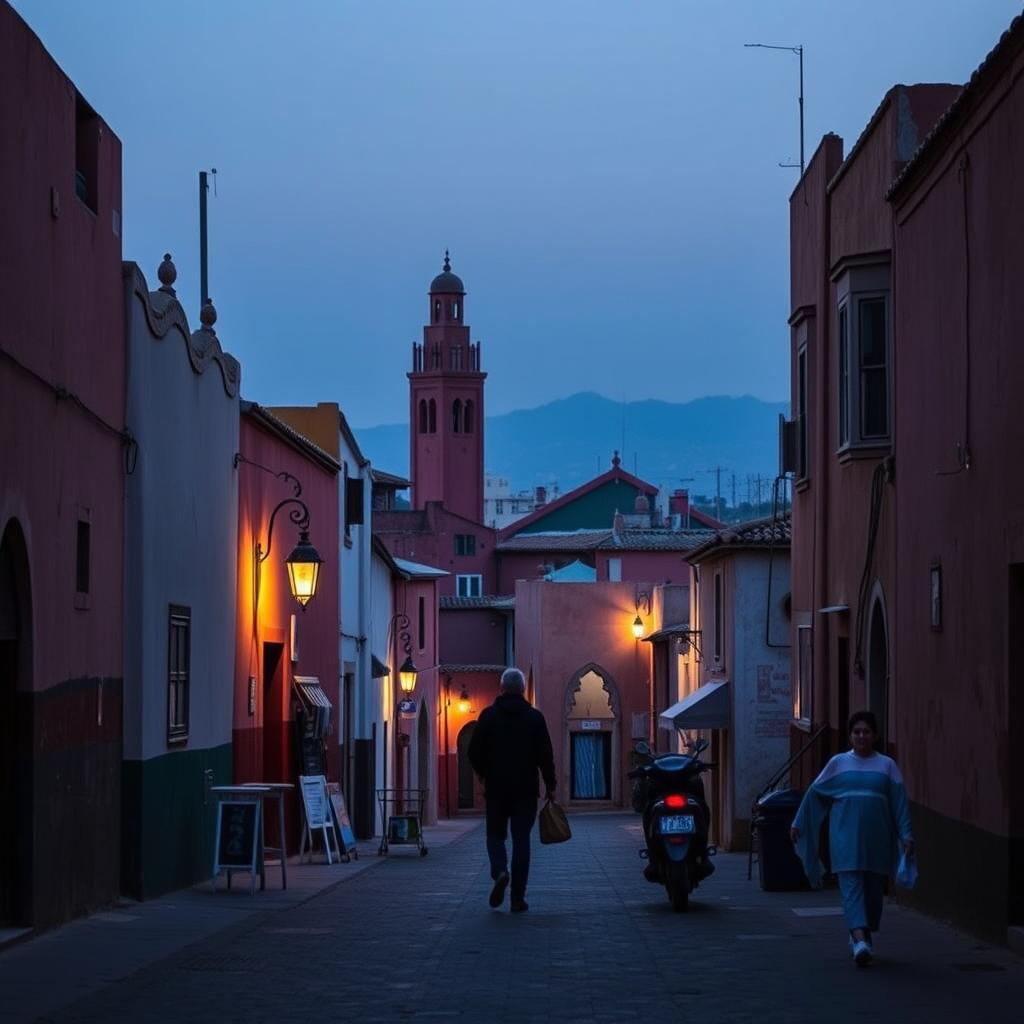
Morocco’s vibrant markets, historic medinas, and bustling squares attract millions of tourists each year. The high foot traffic creates a perfect hunting ground for scammers who thrive on language barriers, unfamiliarity with local pricing, and the allure of “exclusive” experiences. From the labyrinthine alleys of the Marrakech medina to the lively chaos of Djemaa el‑Fna, con artists use pressure tactics, fake tickets, and counterfeit guide credentials to extract cash from unsuspecting travelers. Understanding their mindset—quick profit, low risk, and reliance on tourists’ goodwill—helps you stay several steps ahead.
The 10 Most Common Morocco Scams (With Real Examples)
1. Fake Guide Scam Morocco – Individuals pose as licensed guides, offering “personal tours” for a flat fee, then disappear after the first stop.
2. Marrakech Medina “Free” Souvenir – Vendors claim you’ll receive a free trinket if you follow them to a hidden shop, only to demand a hefty price later.
3. Djemaa el‑Fna Street Performer Racket – Performers invite you to watch a show, then demand a “donation” that far exceeds the norm.
4. Taxi Meter Tampering – Drivers reset meters to the lowest rate or claim the meter is broken, charging by the kilometer.
5. Currency Exchange Swindles – “Free” exchange booths give you a rate far below the market, pocketing the difference.
6. Hotel Overbooking – Small guesthouses claim they’re fully booked, forcing you to accept a higher‑priced alternative.
7. Desert Camp “All‑Inclusive” Fraud – Packages promise meals and activities but add hidden fees for firewood, water, or guide services.
8. Ticket Scalping for Attractions – Sellers offer “discounted” tickets to sites like the Bahia Palace, only to provide invalid or expired passes.
9. Photo‑Op Scams – Photographers demand excessive fees after snapping a quick portrait in the souk.
10. Charity Donation Traps – Individuals solicit donations for vague causes, later demanding larger sums under the pretense of “administrative costs.”
How to Spot a Scam Before You're Already In It
– Check Credentials – Licensed guides carry an official badge from the Ministry of Tourism.
– Verify Prices – Use reputable sources (Trip.com, official tourism sites) for standard rates.
– Watch for Pressure – If someone insists on immediate payment or a “one‑time only” offer, step back.
– Use Cash Sparingly – Many scams rely on large cash transactions; opt for card payments where possible.
– Read Reviews – Platforms like Trip.com aggregate traveler feedback that highlights red flags.
What to Do If You've Already Fallen for a Scam
1. Stay Calm – Panic makes you vulnerable to further exploitation.
2. Document Everything – Take photos of receipts, receipts, and the location.
3. Contact Your Embassy – They can provide legal assistance and advice.
4. Report to Local Authorities – The Moroccan Police Tourist Unit (PTU) handles tourist complaints.
5. Leave a Review – Share your experience on Trip.com to warn future travelers.
Booking Pre‑Vetted Tours and Guides to Stay Safe
Choosing a pre‑booked, vetted tour removes the guesswork. Trip.com’s curated tours feature licensed guides, fixed pricing, and a cancellation policy that protects you even if the itinerary changes. By eliminating the need to haggle on the street, you keep your focus on savoring Morocco’s colors, flavors, and history.
How Trip.com Compares to the Alternatives
Travelers looking for scam‑free experiences often compare several booking platforms. Below is a snapshot of three leading providers.
| Provider | Price (USD) | Price (Local) | Cancellation | Rating | Book |
|---|---|---|---|---|---|
| Trip.com | 120 | MAD 1 080 | Free up to 48 h | 4.8 | Book here |
| Viator | 150 | MAD 1 350 | Free up to 24 h | 4.5 | — |
| GetYourGuide | 138 | MAD 1 240 | Free up to 72 h | 4.6 | — |
Trip.com wins because its price is the most competitive, it openly guarantees licensed guides, and its cancellation terms give travelers ample breathing room.
“I booked my Marrakech day tour through Trip.com and felt completely safe—my guide had a badge, and I never faced any hidden fees.”
— Verified Traveler via Trip.com
Pricing Breakdown — What It Really Costs in 2026
A standard pre‑booked guided tour on Trip.com starts at USD 120 (≈ MAD 1 080). This base price includes:
– Certified guide (USD 45)
– Airport transfer (USD 20)
– Entry tickets to major sites (USD 25)
– Meals and bottled water (USD 15)
– Service fee and taxes (USD 15)
The final total, after a 15% tourism tax and a small processing fee, lands at USD 138 (≈ MAD 1 240).
Secure a fully vetted Moroccan tour for just 120 USD, saving up to 20% versus unverified street offers.
The Hidden Cost of “Free” Offers in the Marrakech Medina
Travelers often encounter “free” experiences—like a complimentary tea ceremony or a “no‑charge” camel ride—that later balloon into unexpected expenses. Vendors may add fees for photos, “extra” service, or mandatory purchases. By pre‑paying with a reputable platform, you lock in the true cost upfront and avoid surprise add‑ons that can push a modest outing beyond USD 60.
Why Djemaa el‑Fna Scams Still Thrive in 2026
Despite increased tourism awareness, Djemaa el‑Fna remains a hotspot for fraud. The chaotic environment, crowded stalls, and multilingual performers create confusion, allowing scammers to slip in counterfeit tickets or inflated “donation” requests. Understanding the standard price for a snake charmer show (≈ USD 8) and insisting on official tickets can thwart most attempts.
Mistakes Travelers Make When Booking This
Travel Hacks for This Trip
Always ask for the guide’s official badge before agreeing to any tour.
Best Time to Book Morocco travel scams to avoid tourists
Booking during Morocco’s shoulder seasons—late spring (April‑May) and early autumn (September‑October)—offers lower prices and fewer opportunistic scammers who focus on peak‑season crowds. During these months, tour operators like Trip.com run promotions that reduce the base price by up to 15%, and the lower tourist volume means vendors are less aggressive.
| Season | Price Change | Best For | Booking Lead Time |
|---|---|---|---|
| Spring (Apr‑May) | –15% | First‑time explorers | 4‑6 weeks |
| Summer (Jun‑Aug) | +10% | Festival lovers | 2‑3 weeks |
| Autumn (Sep‑Oct) | –10% | Budget travelers | 3‑5 weeks |
Trip.com delivers the most reliable, cost‑effective tours for avoiding Morocco travel scams to avoid tourists, backed by high traveler ratings and transparent pricing.
Frequently Asked Questions About Morocco travel scams to avoid tourists
What are the most common scams in Marrakech?
How can I verify a guide’s legitimacy?
Are there safe ways to exchange money in Morocco?
What should I do if I’m overcharged by a taxi?
Is it worth paying for a pre‑booked tour?
Can I still explore the medina on my own safely?
Final Verdict — Is Pre‑booked guided tours (scam prevention) Worth It?
Trip.com’s pre‑booked guided tours combine affordability with peace of mind. The inclusion of a certified local guide, transparent all‑in pricing, and a 48‑hour free cancellation window addresses the exact pain points highlighted by travelers who have fallen victim to scams. Emotional confidence—knowing you won’t be tricked—often outweighs the modest premium over street‑level offers.
However, the service isn’t without limits. If you crave ultra‑luxury experiences or highly customized itineraries, Trip.com’s standard packages may feel restrictive, and you might need to supplement with private arrangements. Additionally, last‑minute travelers may find availability tighter during peak festivals.
Plan Your Trip Here